statement
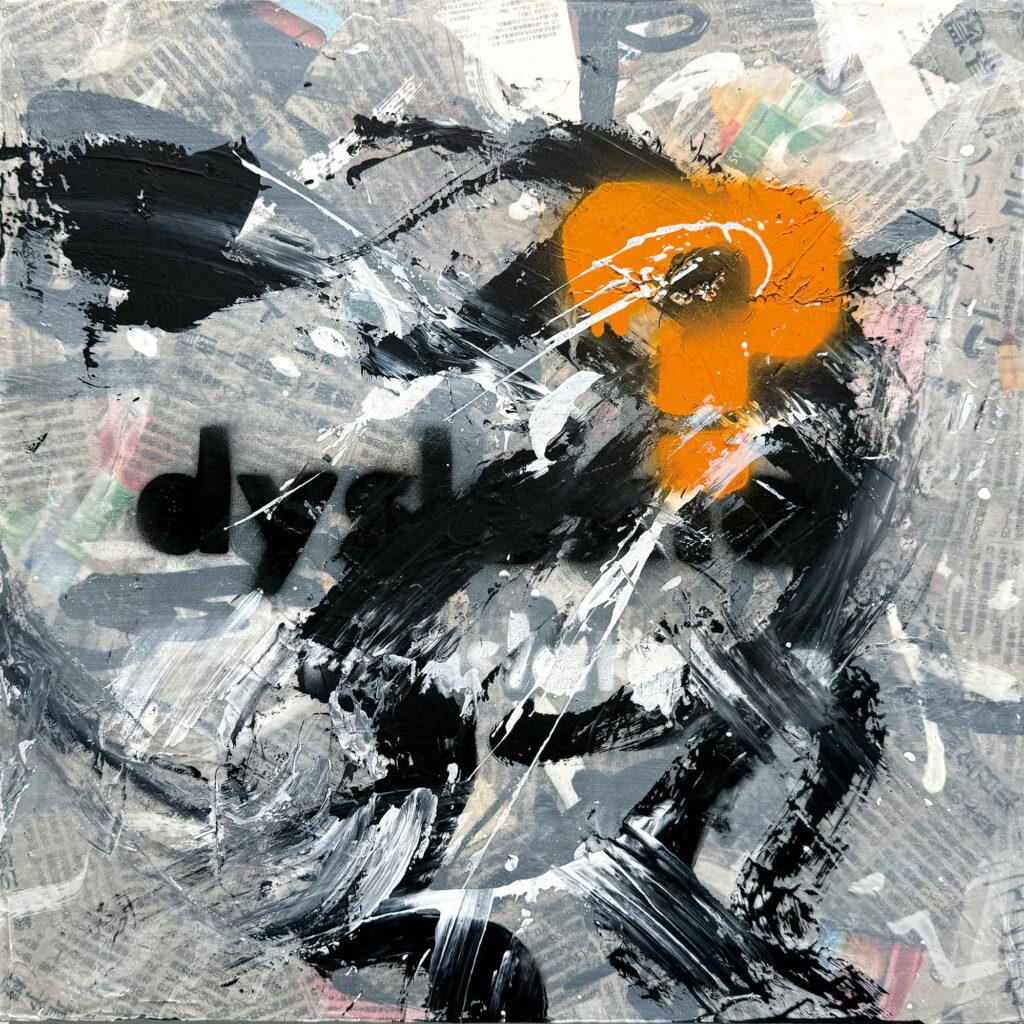
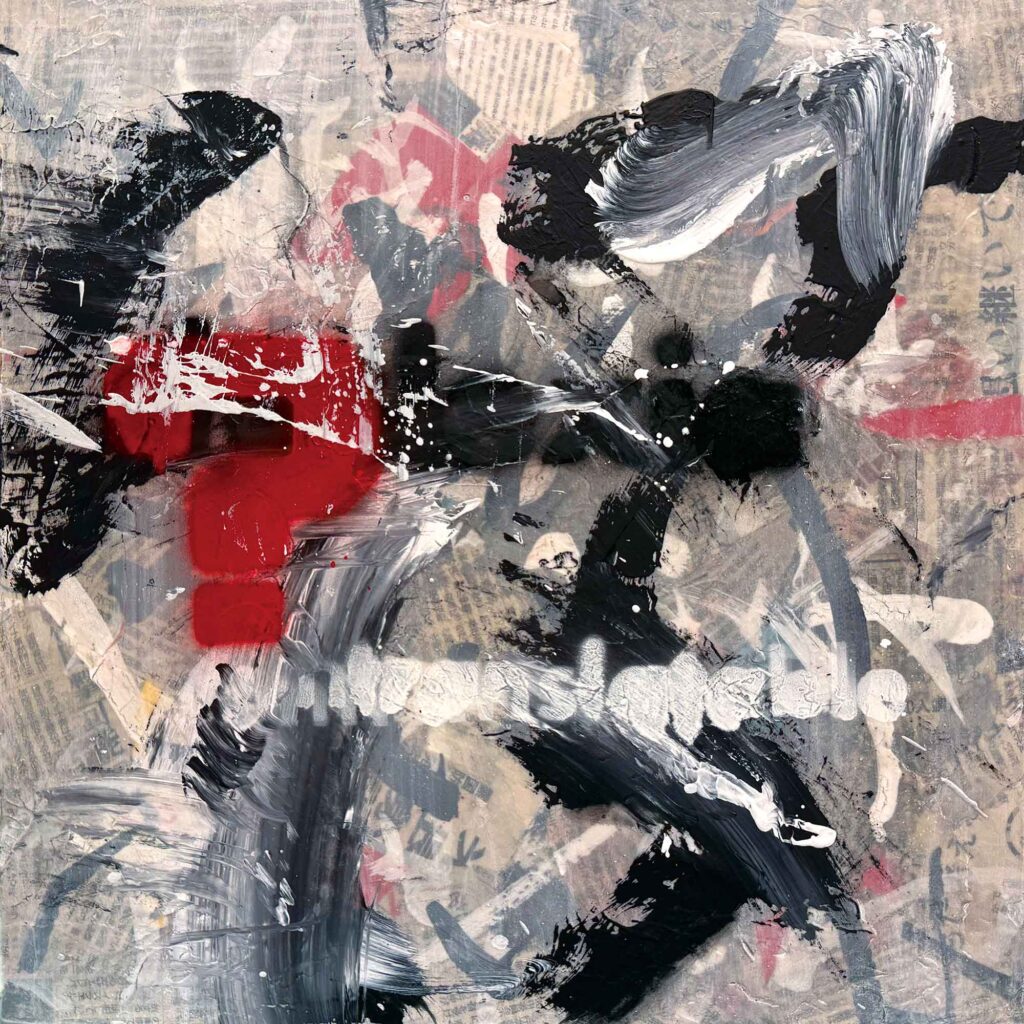
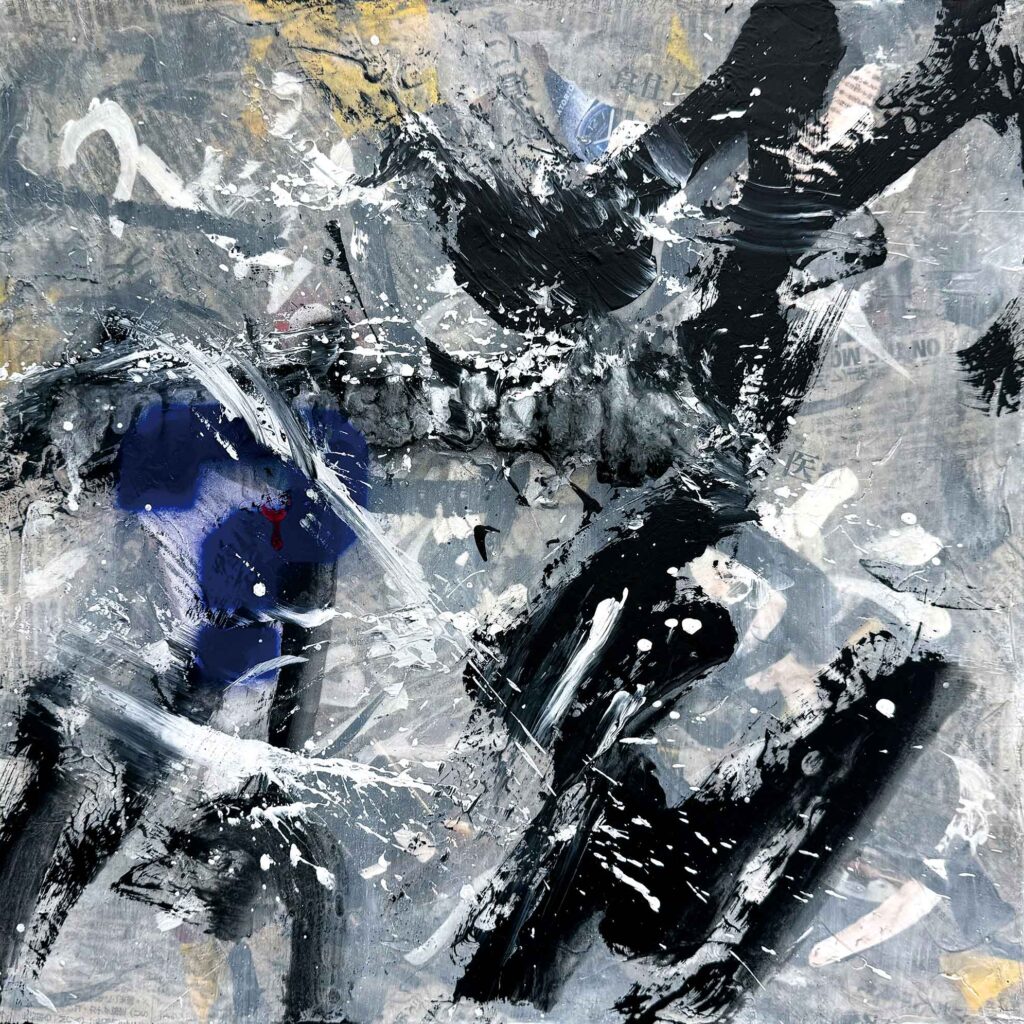
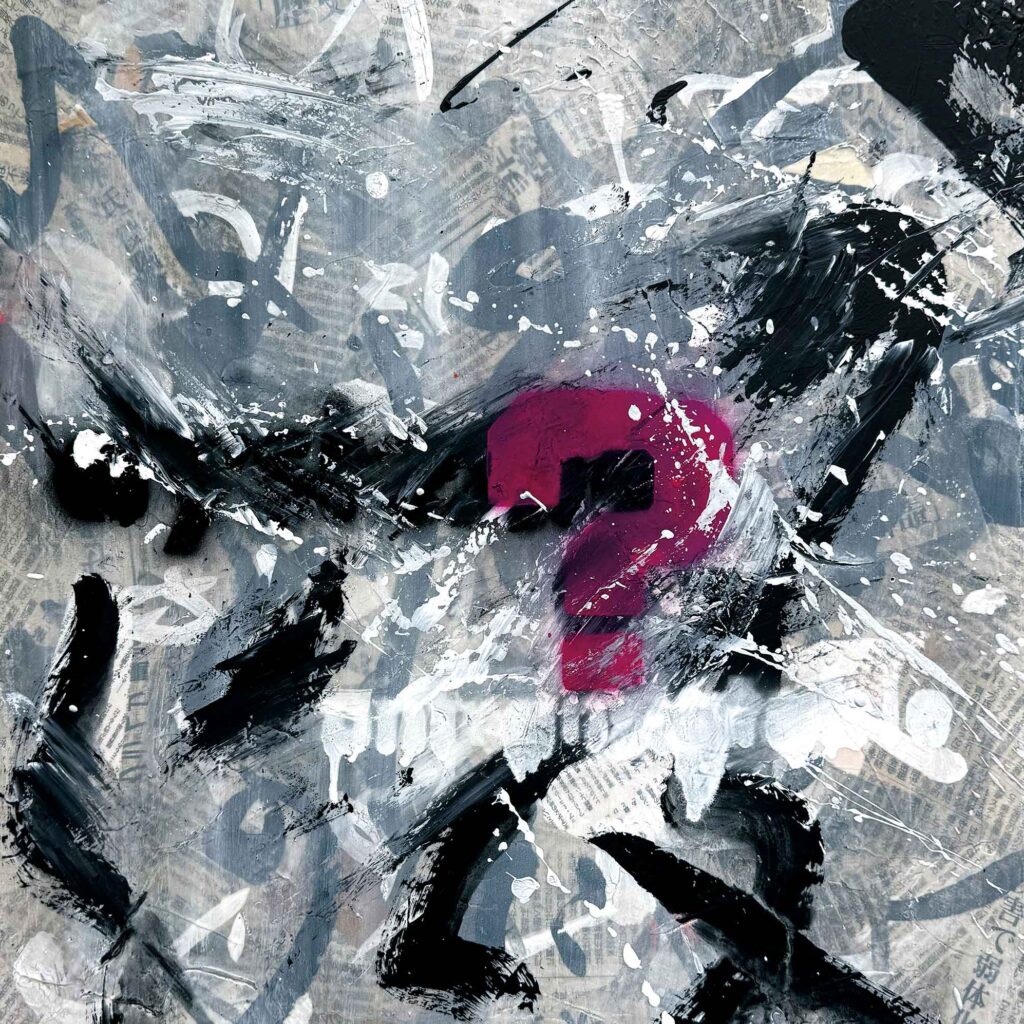
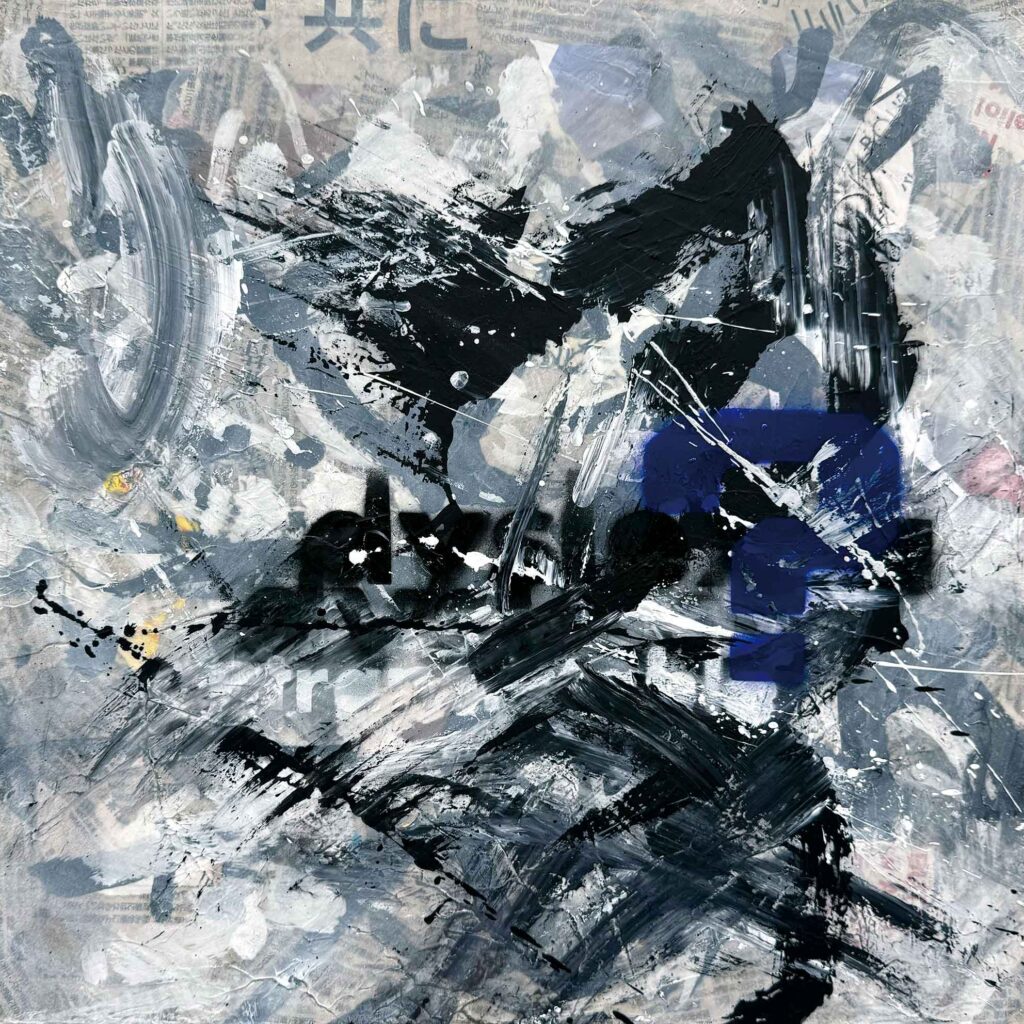
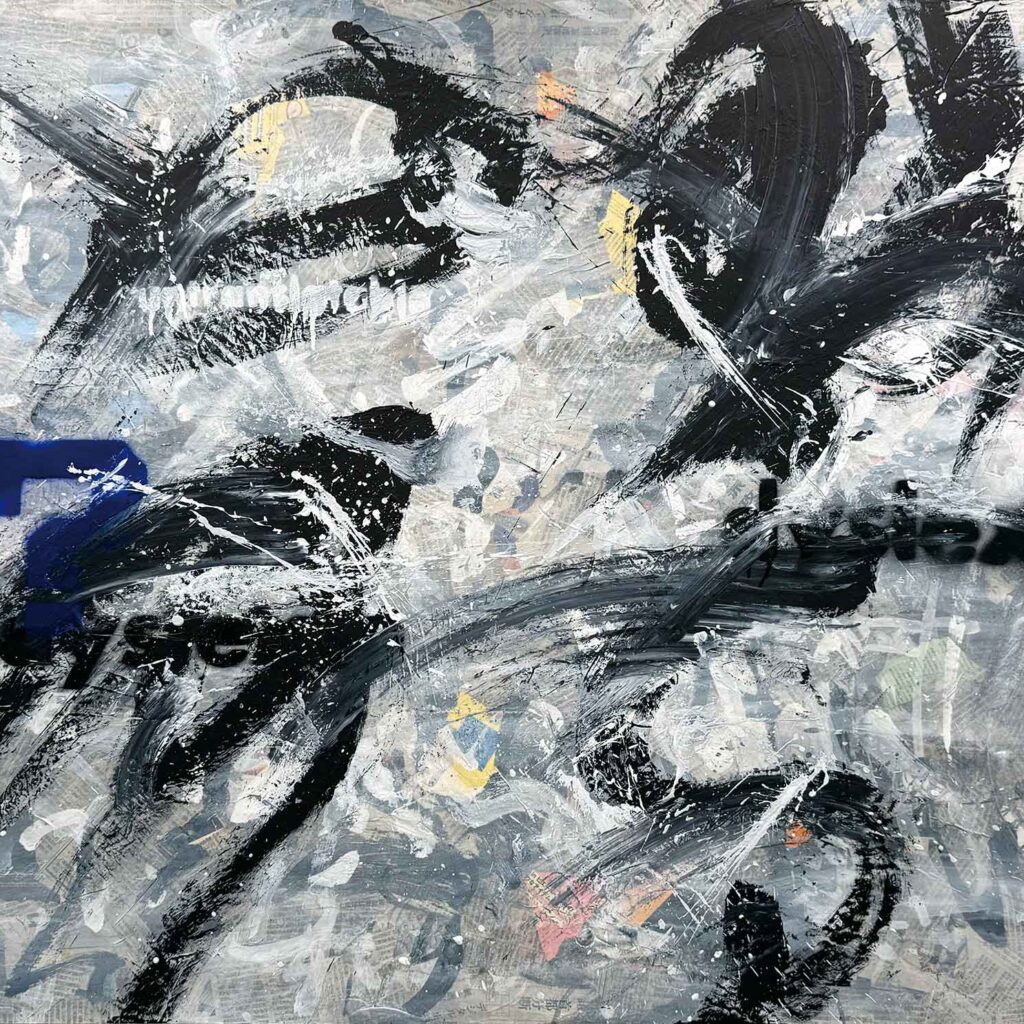
dyslexiaのシリーズは、作者自身の幼少期からの体験に深く根ざしている。ディスレクシアに近い症状を抱え、「読む」「書く」「話す」といった言語行為に継続的な困難を感じてきた。
その経験は単なる読み書きの問題にとどまらず、言語をどのように知覚し、理解するかという認知のあり方そのものに関わっている。
新聞や書籍の活字は、にじみや重なりによって輪郭が曖昧になり、意味の把握を妨げることがある。
さらに、紙面の白地が光を反射することで強いコントラストが生じ、視覚的なチラつきや眩しさを引き起こす。
このような状態では、文字と背景の関係が安定せず、ゲシュタルト心理学でいう「図と地」の関係が揺らぐことで、読むという行為そのものに負荷がかかる。
こうした現象は、言語が本来持つはずの「意味を伝えるための透明な媒体」としての機能を揺るがす。
文字はもはや単純に意味へと導くものではなく、光や視覚条件、知覚の揺らぎの中で、常に不安定な状態に置かれる。
言い換えれば、「読む」という行為は直線的な理解のプロセスではなく、視覚と意味のあいだを行き来する、動的な経験として立ち現れる。
本シリーズは、このような「読めなさ」の感覚を出発点としながら、言語と知覚の関係を問い直す試みである。
個人的な体験に基づきながらも、それは同時に、情報過多の現代において揺らぎつつある「理解すること」の前提そのものに接続している。
文字を読むという行為がいかに不確かな条件の上に成り立っているのかを可視化することで、本作は言語と認識の関係に新たな視点を提示している。
english
This series is deeply rooted in the author’s own childhood experiences. Having struggled with symptoms similar to dyslexia, the author has consistently faced difficulties with language-related activities such as reading, writing, and speaking.
These experiences go beyond mere reading and writing difficulties; they touch on the very nature of cognition—specifically, how language is perceived and understood.
The printed text in newspapers and books can have blurred or overlapping edges, making the outlines ambiguous and hindering comprehension.
Furthermore, the white background of the page reflects light, creating strong contrast that causes visual flickering and glare.
In such conditions, the relationship between the text and the background becomes unstable. The “figure-ground” relationship described in Gestalt psychology wavers, placing a burden on the act of reading itself.
These phenomena undermine language’s inherent function as a “transparent medium for conveying meaning.”
Text is no longer simply a conduit to meaning; instead, it is constantly placed in a state of instability amidst light, visual conditions, and fluctuations in perception.
In other words, the act of “reading” is not a linear process of understanding, but emerges as a dynamic experience that oscillates between vision and meaning.
Taking this sense of “unreadability” as its starting point, this series is an attempt to reexamine the relationship between language and perception.
While grounded in personal experience, it simultaneously connects to the very premise of “understanding” itself, which is becoming increasingly unstable in our information-saturated modern world.
By visualizing how the act of reading text is founded on such uncertain conditions, this work presents a new perspective on the relationship between language and cognition.